
City’s Tips to Get El Niño Ready
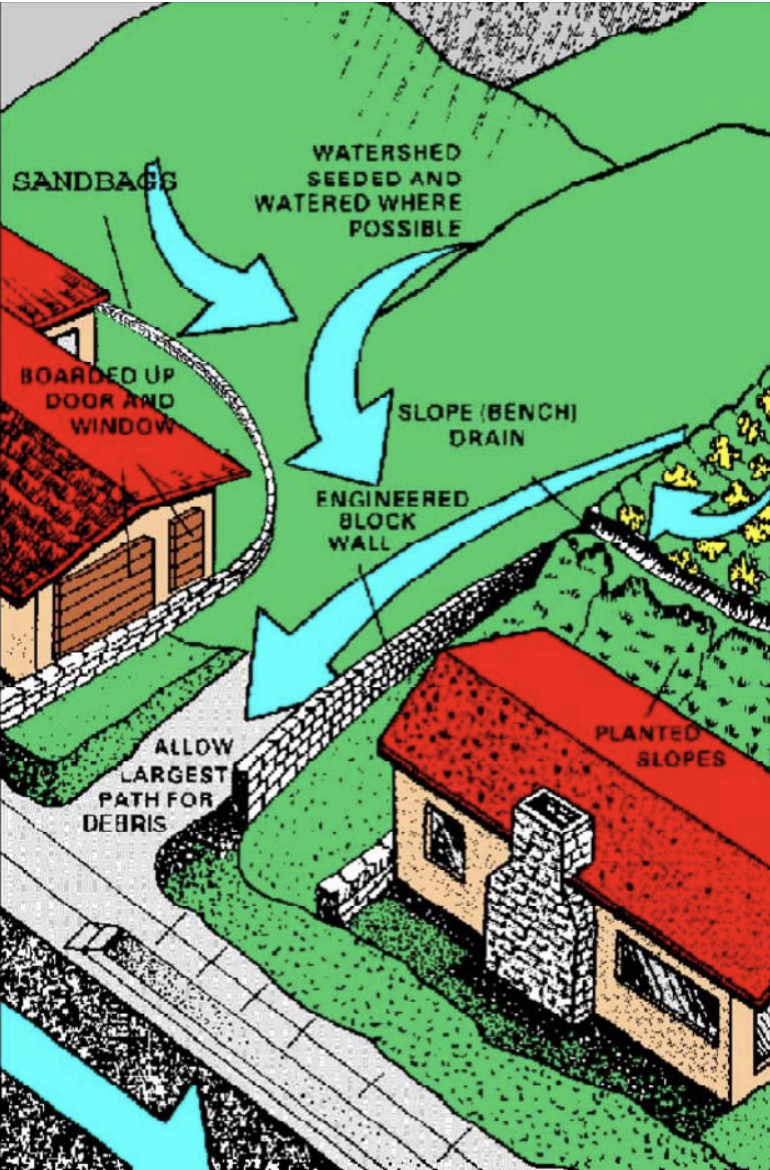
In order to prepare for the expected heavy rain from the El Niño weather pattern this year, residents can check out the city’s “Homeowner’s Guide for Flood, Debris Flow, and Erosion Control.”
The 22-page guide shares tips on how to better use sand bags, plastic sheeting, and erosion-control vegetation. In addition, pre-storm property maintenance is advised, especially for people who dwell in hillside areas prone to flooding.
“The City of Los Angeles encourages residents to clear debris from drains and gutters, use sandbags to divert—not dam—stormwater, secure loose outdoor items, and inspect slopes for signs of erosion before heavy rain arrives,” according to City Councilmember Traci Park’s email. “Homeowners in hillside areas should also maintain drainage systems, monitor retaining walls, and have emergency supplies ready before storms begin. Being prepared today can reduce the risk of flooding, debris flows, and erosion tomorrow.”
Other tips from Park’s office are below:
Is Your Home El Niño Ready?
Check your roof for leaks
Clear debris from gutters and downspouts
Repaint the wood trim on your home
Check windows and window glazing for leaks
Consider purchasing a rain barrel to catch water
Make your house pest-proof
Consider backup power options
Is Your Property El Niño Ready?
Clear culverts
Check your property for proper drainage
Have shovels, sandbags and plastic sheeting on hand
Install straw-waddle or sandbags to divert water in advance
Trim trees or call an arborist
Secure outdoor objects that might blow away and cause damage
Is Your Vehicle El Niño Ready?
Check your tires for wear - purchase new ones if needed
Buy new windshield wipers if needed
Check your vehicle's headlights and turn signals
Inspect your vehicle's brakes; make sure they are in working order
Fill your tank or charge your vehicle ahead of storms as power outages may occur
Helpful links:
What is El Niño?
According to the National Oceanic and Atmospheric Administration, the earth’s oceans go through periods when they heat up more than normal or cool down more than normal. These cycles may be seen once every two to seven years and are called the Pacific Ocean’s El Niño-Southern Oscillation (ENSO). The phase when the waters are warmer is called El Niño and the phase when the waters are cooler is called La Niña. During the El Niño heat cycle, warm waters heat up in the Pacific, influencing atmospheric circulation, temperatures, precipitation and other weather events that affect agriculture, wildfires and marine life for several consecutive months. Also, not every El Niño is the same; each one is unique with its own effects on weather. In Southern California, an El Niño tends to be strongest during the winter months.
