By Laurel Busby
News & Information Editor
On Oct. 28, the California Board of Forestry & Fire Protection released revised Zone Zero regulations, which will be considered for approval at its Nov. 5 board meeting, according to Executive Officer Tony Andersen.
The regulations, which are intended to reduce wildfire transmission by severely limiting foliage within 5 feet of structures, were unanimously approved by the board on Aug. 19, then submitted to the Office of Administrative Law for approval before being withdrawn on Sept. 4 to undergo further revisions.
According to Andersen, the revisions were designed to provide greater clarity following recommendations from the OAL. For example, redundant language on plant spacing was removed, and the definitions for combustible materials and non-woody plants were improved. A board memo about these clarity updates can be found at this link, and the link to register to attend the Nov. 5 meeting video conference is here.
If approved by the Board of Forestry on Nov. 5, the regulations would again be submitted to the OAL for approval. However, even if all approvals are garnered as expected, the rules won’t necessarily go into effect for every town because communities have the option to create alternate rules with “substantially similar practical effects.”
“This applies to all communities,” Andersen said. “The local jurisdiction would coordinate with their local fire department and present an ordinance/resolution to their local jurisdiction for consideration. Conversely, they can also adopt the statewide rules once approved by the California Secretary of State.”
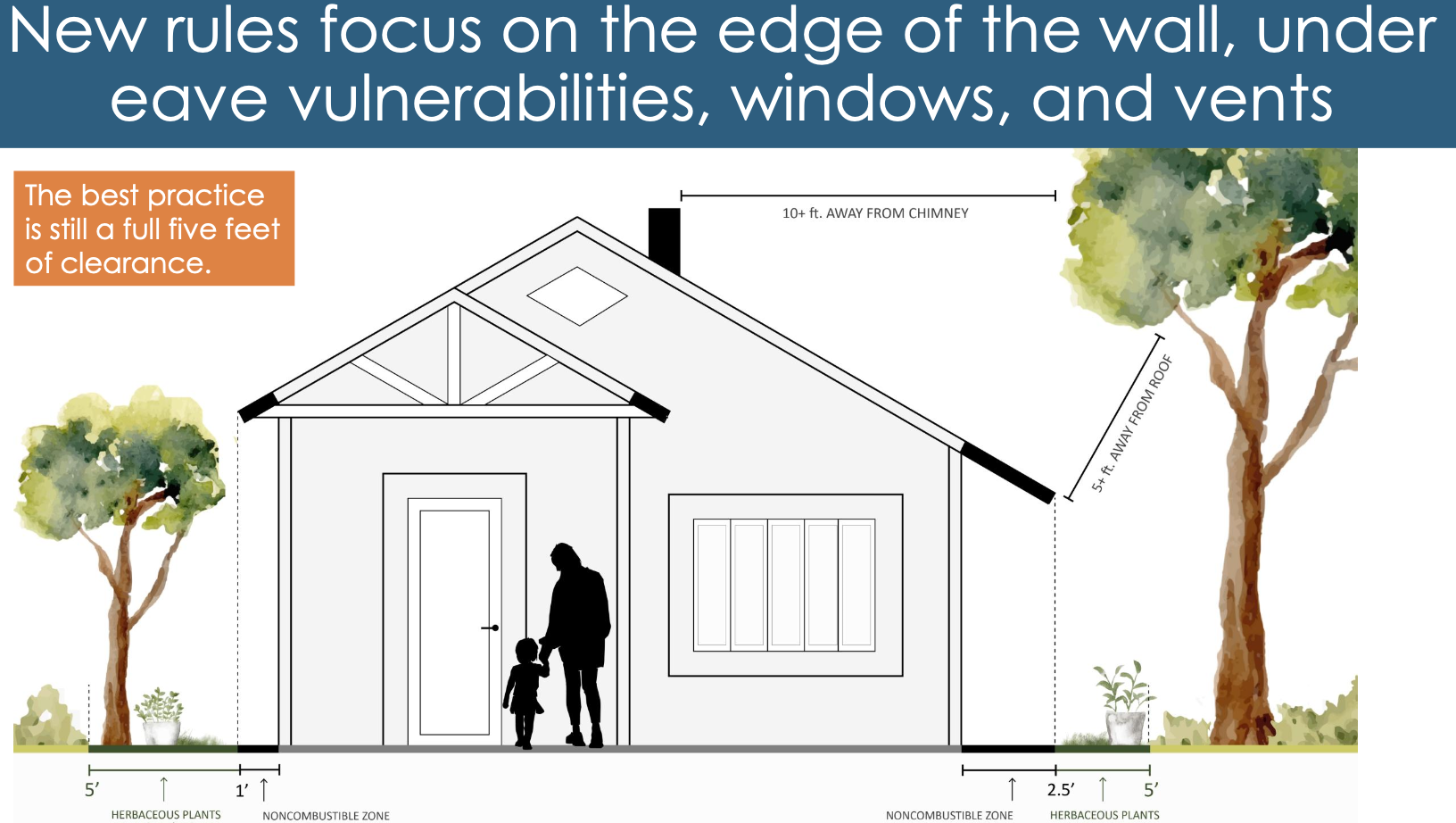
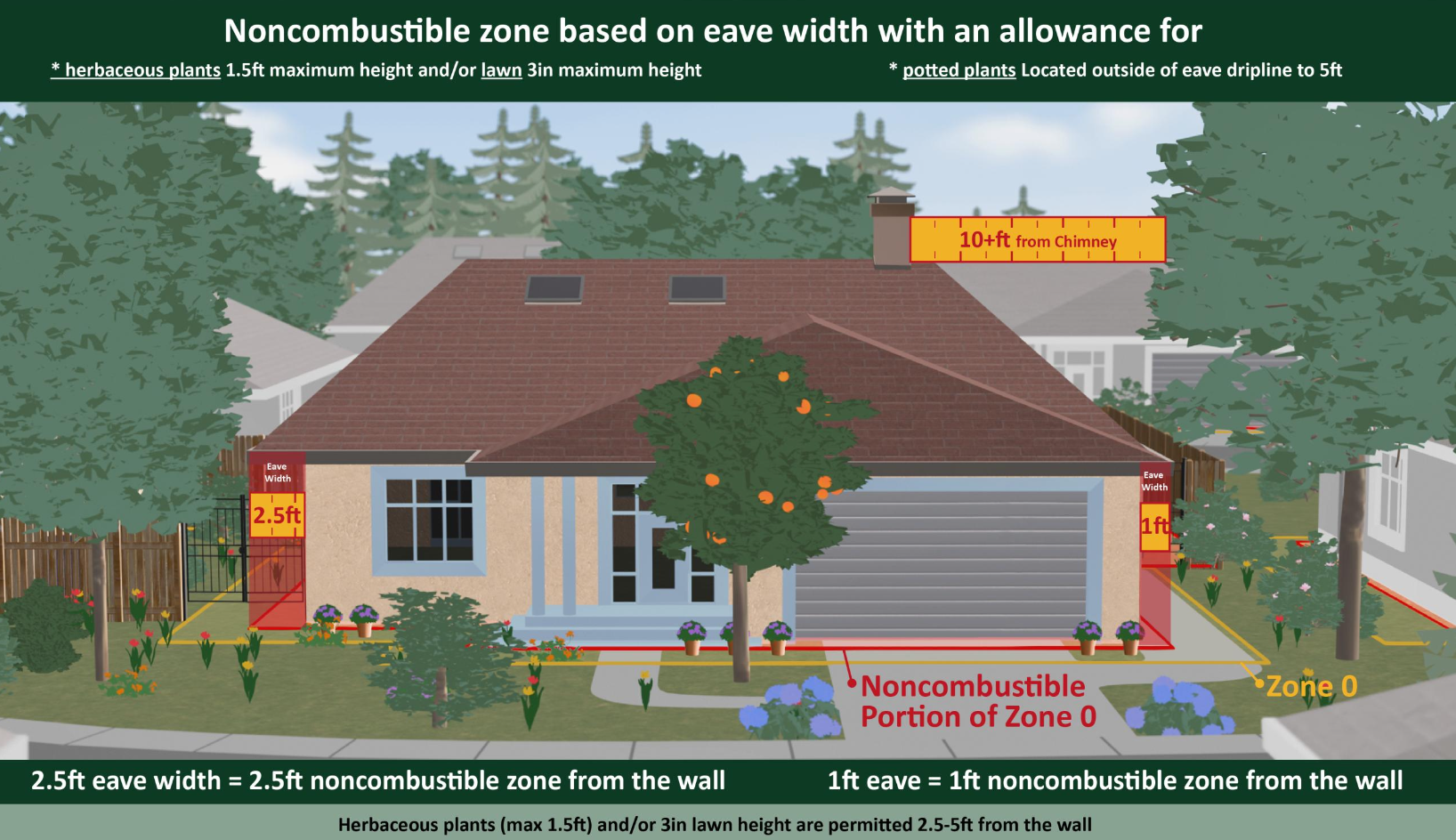
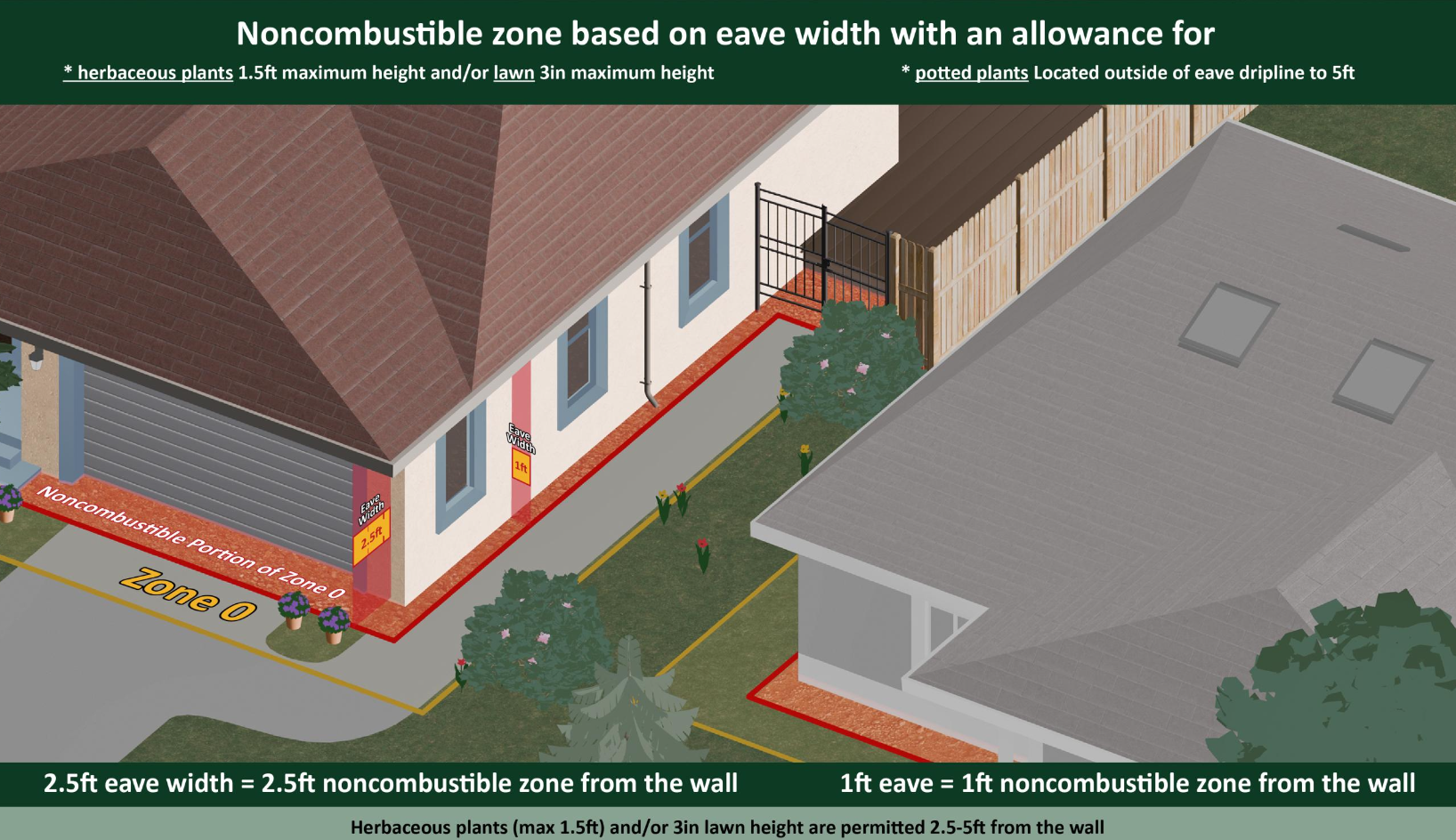
Once in effect for a community, the proposed Zone Zero regulations would require that trees be trimmed 5 feet above roofs and 10 feet from chimneys with no new trees allowed within five feet of structures. In addition, no combustible material or plants would be allowed below the eave dripline or a minimum of one foot from structures.
The rules would immediately apply to new construction, while existing structures would have three-to-five years to come into compliance, depending on the regulation. The regulations affecting vegetation, firewood, and landscaping generally have a three-year timeline for implementation, while five years would be allowed for replacing wooden gates, fencing, and shed materials.
Many residents, environmental experts, and community representatives, including the Pacific Palisades Community Council, had advocated for more flexible rules that took into account fire-resistant trees and the benefits of well-maintained landscapes among other factors. In response to thousands of emails, public commentary, and scientific research, the board did adjust the rules, but they remain fairly strict.
The Mandeville Canyon Association sent out an email about the proposed regulations, which argued that the revisions do not address the prohibition against state regulations that impose an unfunded mandate. For example, a workforce might be required to educate homeowners about the regulations in order to implement them.
When asked about this via email, Andersen said, “The Board of Forestry and Fire Protection was expressly charged by the legislature with developing regulations establishing an ember-resistant zone within five feet of structures.” He added, “Whether particular local government responsibilities constitute reimbursable state-mandated activities is a separate legal determination governed by California law. The board has sought to minimize implementation burdens within its statutory authority while providing a reasonable transition period and encouraging the development of local and statewide assistance.
“Ultimately, the board's responsibility is to establish effective, achievable wildfire protection standards that save lives, protect homes, and reduce the devastating economic and social consequences of wildfire. The regulatory package reflects a careful effort to fulfill that responsibility while recognizing the financial realities facing Californians and the importance of locally tailored implementation solutions.”
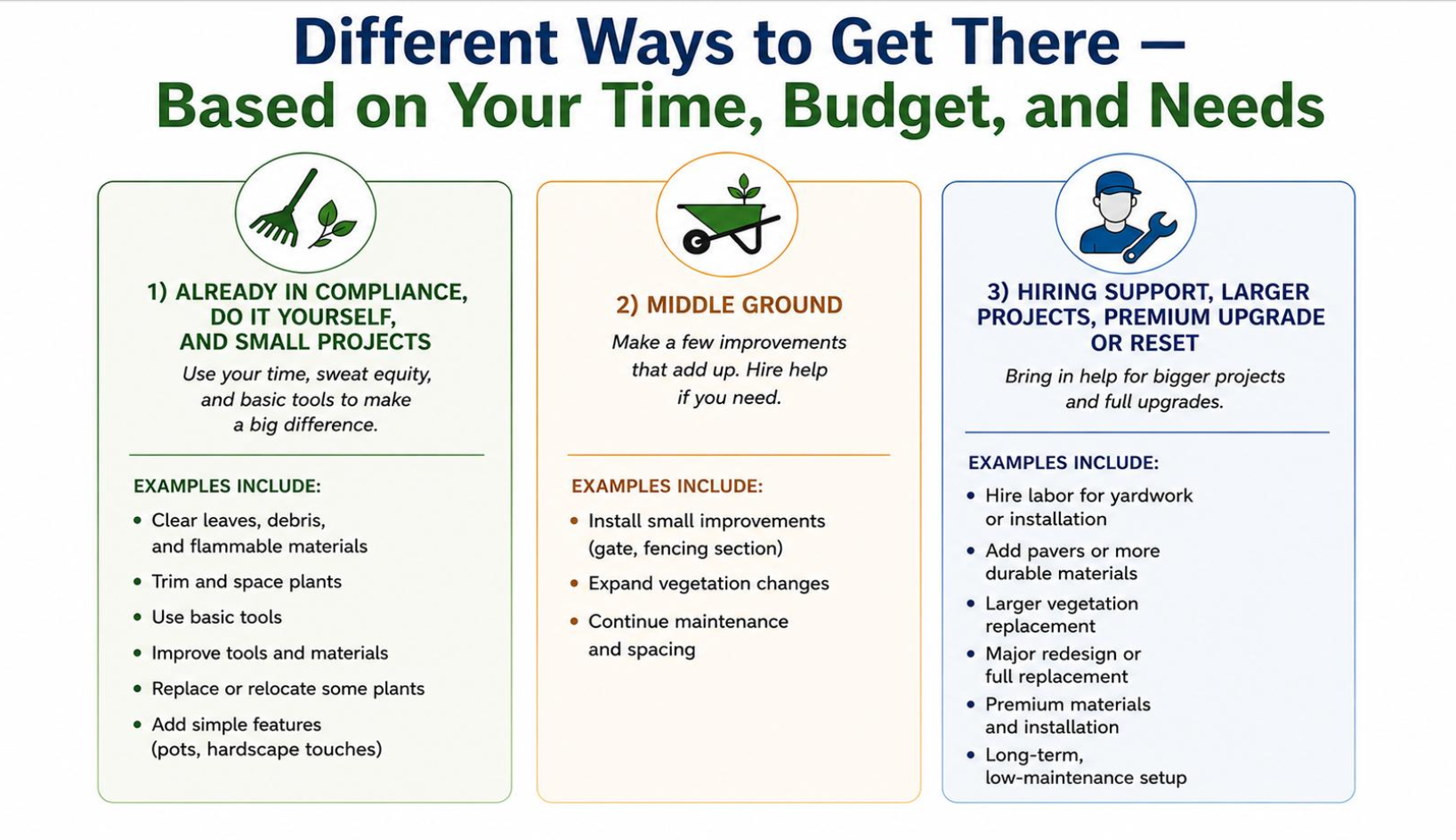
A new estimate of average homeowner costs to comply with the regulations will be issued if the board approves the regulations on Nov. 5, according to Andersen, who also noted that individual costs may vary widely. As some homeowners will choose do-it-yourself improvements while others will opt for extensive landscaping changes using professional services.
According to the Mandeville Canyon Association email, the Board of Forestry previously estimated the average homeowner cost to be $960.54. As part of its work, the association provides commentary and recommendations for community advocacy on Zone Zero. Its website is themca.org, and its email is info@themca.org.
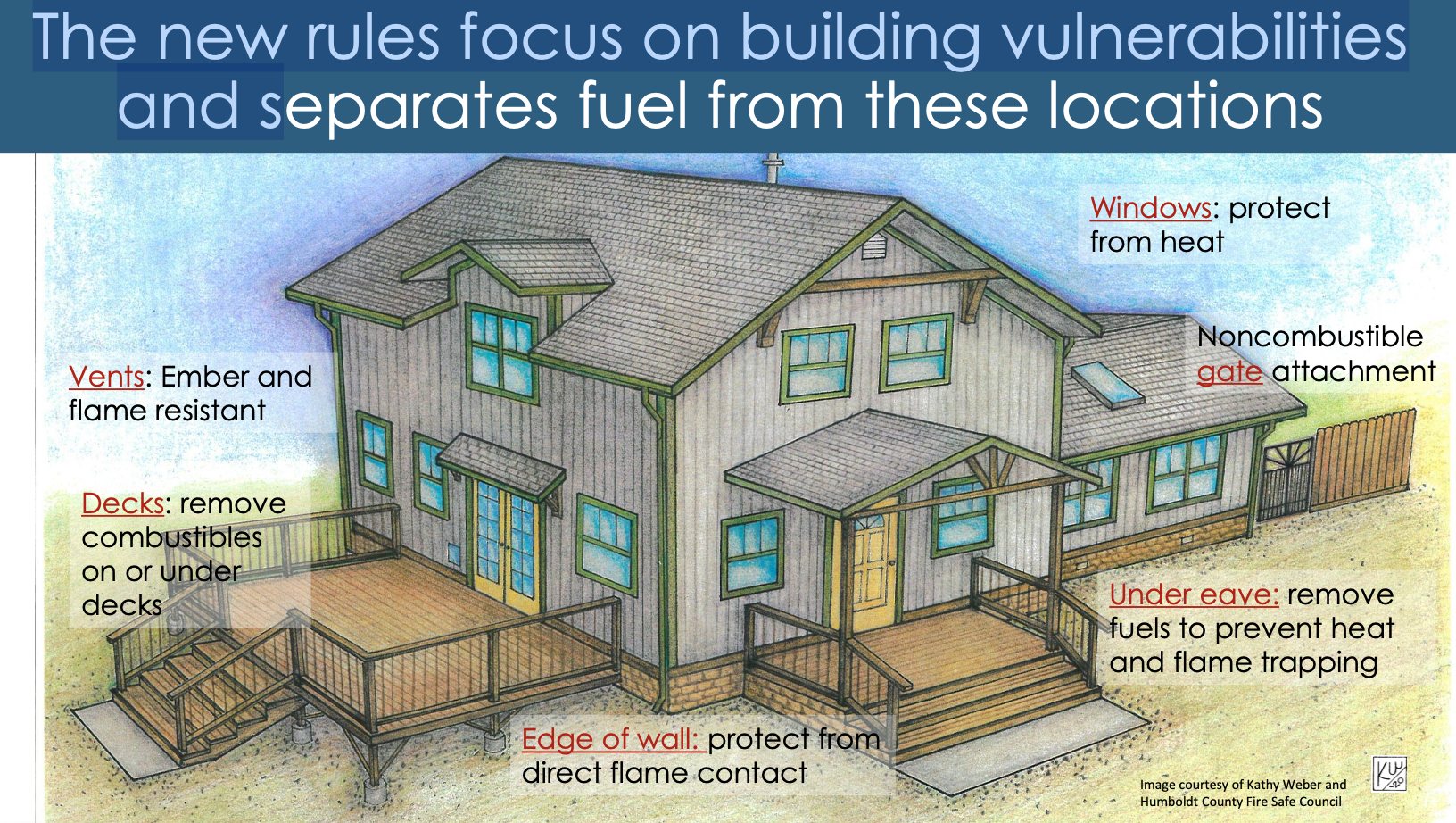
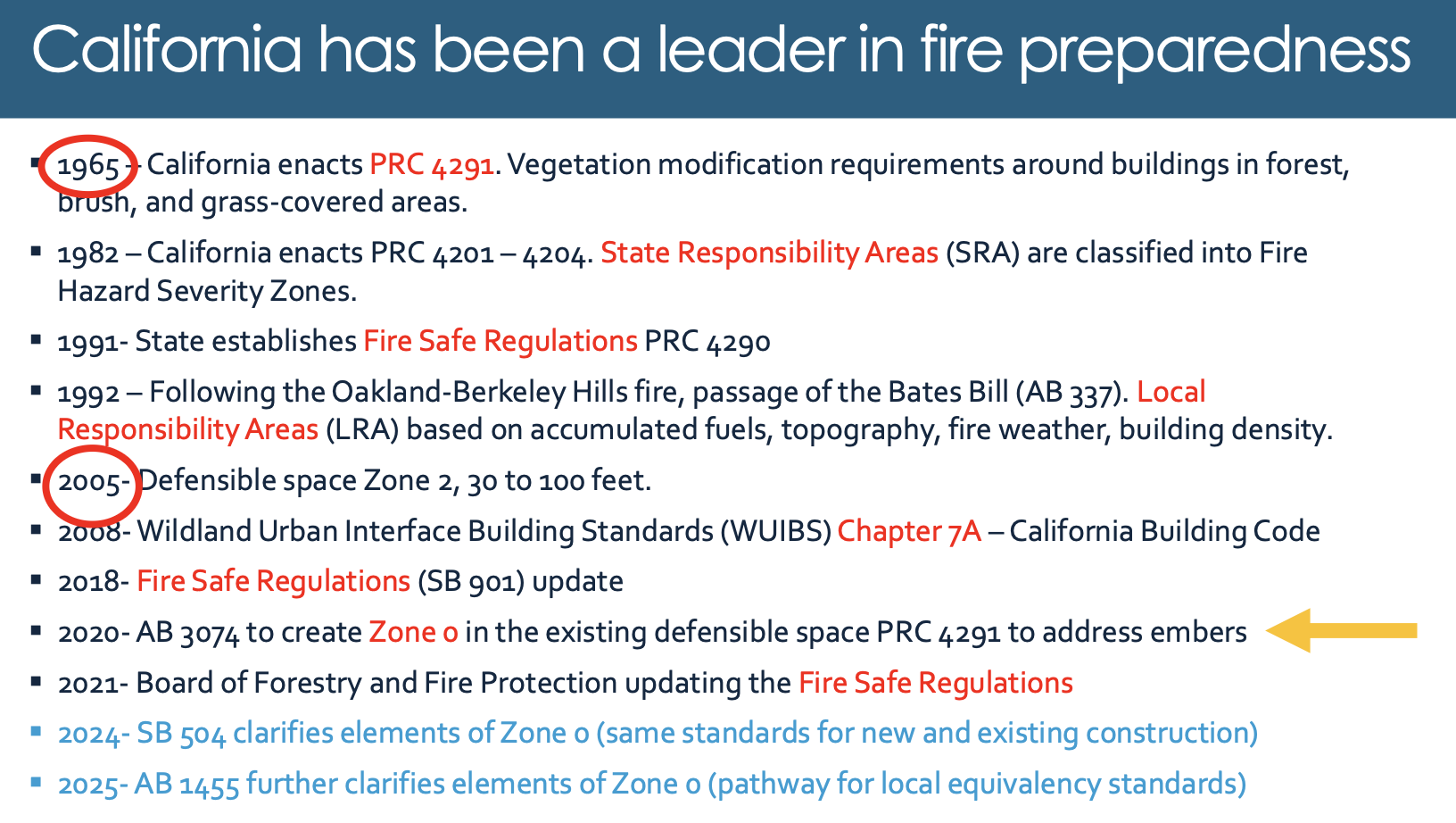
Below is information from Andersen that he used at a League of California Cities presentation about the proposed Zone Zero regulations.