
Home Hardening Expert to Share Advice at Rustic Canyon Park on Feb. 15
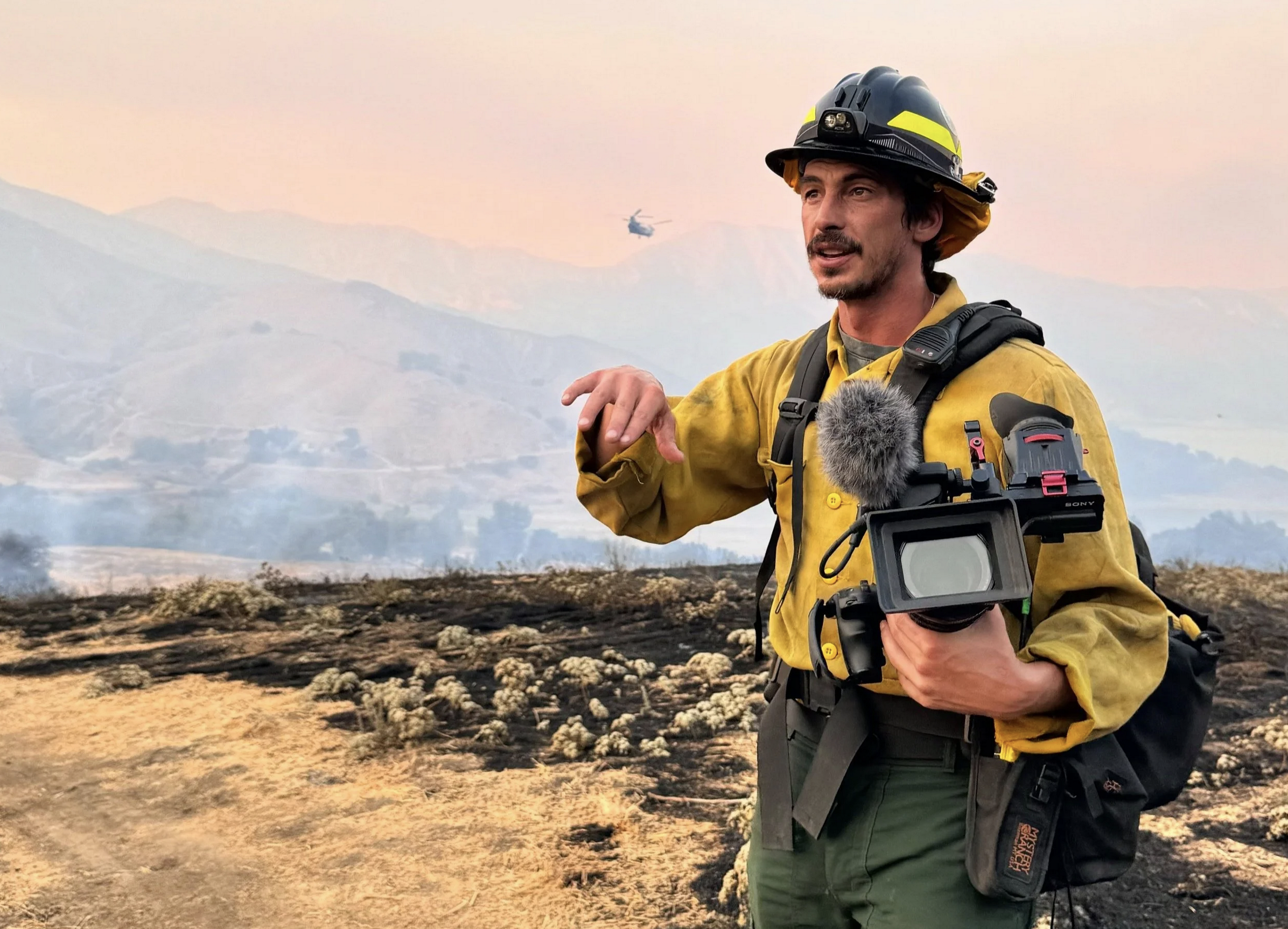
Home hardening expert Keegan Gibbs
By Laurel Busby
News & Information Editor
One of the more than 1,600 structures destroyed by the 2018 Woolsey Fire was the childhood home of Keegan Gibbs.
The loss of his parents’ home and the devastation of the Malibu community propelled Gibbs to search for ways to protect homeowners and communities from future fires. He delved into fire science by reaching out to experts, including Dr. Jack Cohen who taught him ways that homeowners can reduce their home’s vulnerability to fire.
“I learned about Home Ignition Zone principles, which cover how and why homes actually burn down and how to mitigate those vulnerabilities,” Gibbs said. As a result, “I realized where the actual work needed to be done. It wasn’t in more firefighting. It wasn’t about more suppression or about fuel treatments out in the landscape. It was about how you mitigate the vulnerabilities in and near the home in order for the home to have a better chance of survival.”
Along the way, Gibbs also learned about insurance, fire suppression, and government codes and mandates. His new expertise inspired him to co-found the organization Community Brigade, which works in concert with the L.A. County Fire Department to train volunteer fire brigades. The organization also has conducted hundreds of home assessments to provide homeowners with clear advice on ways they can mitigate their home’s vulnerability to wildfires.
On Feb. 15 at The Canyon Alliance Home Hardening Education Event, Gibbs will share his insights with residents at the Rustic Canyon Recreation Center. His free 3 p.m. presentation will cover a range of fire-related topics, including tactics that residents can use to reduce their home’s vulnerabilities to wildfire. In addition, Alliance board members and local community leaders will discuss how Canyon residents can work together to better defend the Canyon from future fires. Register for the event here.
“I want to be a conduit for accurate information and best practices for the community to actually do meaningful steps to make change,” Gibbs said. “When people walk away from the meeting, I hope they feel like they actually have some agency over their own future.”
Some simple recommendations from Gibbs include 1) installing screens that block embers from entering a home via vents, crawl spaces, or attics, since flying embers ignite about 90 percent of homes in a wildfire; 2) installing gutter guards, so that flammable debris doesn’t build up in gutters; and 3) spacing and maintaining vegetation so that there isn’t dry, flammable material against a structure’s walls.
However, he noted that each home is different, and the fire-resistance of adjacent homes impact each other, so it’s vital to involve the whole community in the solution.
“Every single house has its own unique vulnerabilities, and each vulnerability when combined with the vulnerabilities of their neighbors’ homes creates a new set of vulnerabilities,” Gibbs said.
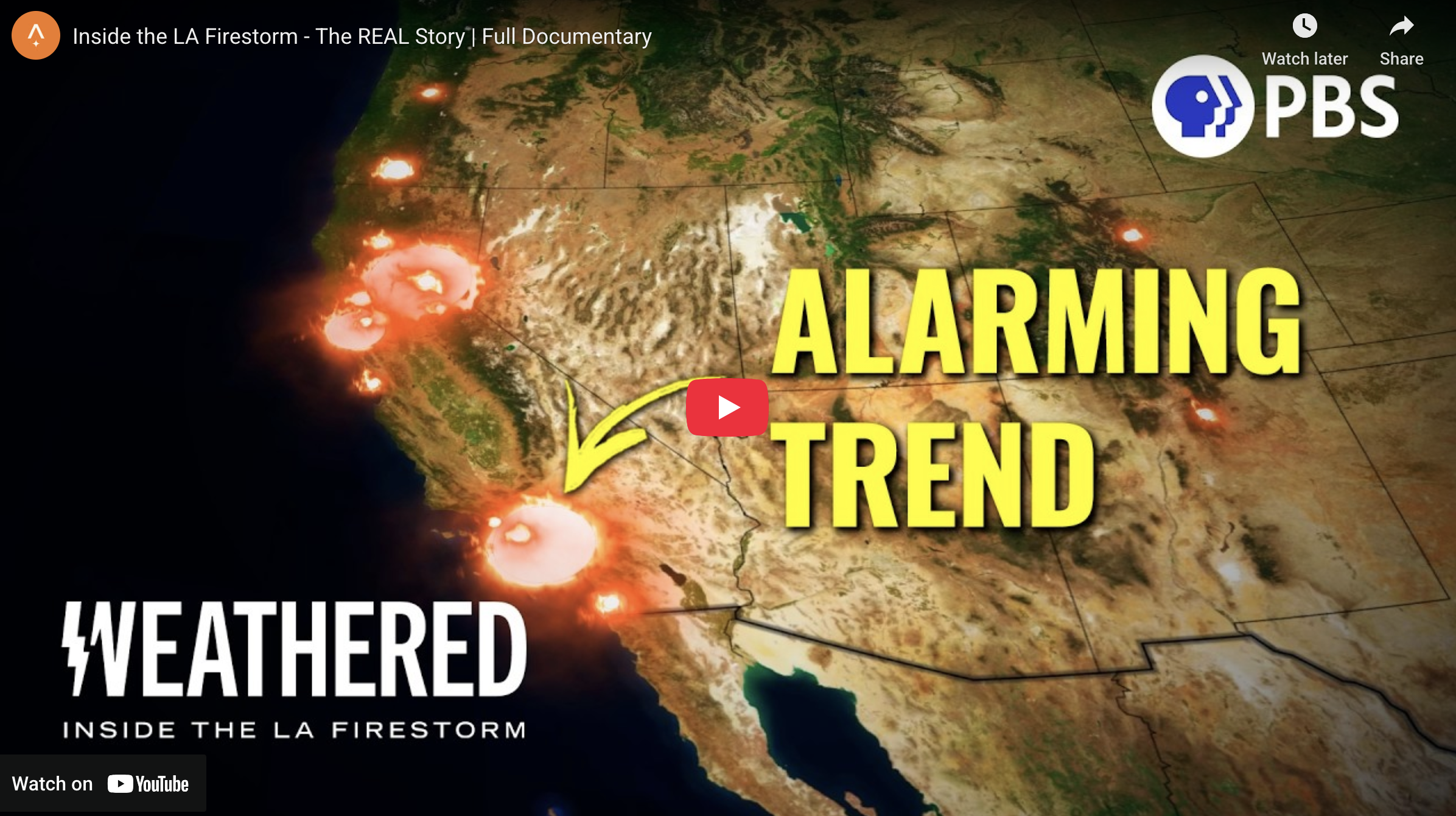
PBS recently released a documentary featuring Gibbs’ work as part of its series, Weathered. The episode, After the L.A. Firestorm, which can be viewed free online here, includes a visit to one home that instituted Gibbs’ fire mitigation techniques and survived the Palisades Fire, while three nieghboring houses burned. In addition, he visits with an insurance executive and discusses ways the insurance industry might support fire mitigation efforts through lower premiums to compliant homeowners.
Gibbs also meets with a water specialist, and the documentary’s host interviews varied experts, including Angeles National Forest Fire Chief Bobby Garcia, who discusses potential issues with simply removing vegetation in forest areas. One problem is that wind-driven fires can blow embers past these fuel breaks. In addition, invasive, flammable grasses may take root and be even more problematic than the previous vegetation.
“When we have seasonal drying occur in the natural vegetation, it's adapted to the fire environment; it takes longer to cure, to dry out,” Garcia said in Weathered. “When that all gets replaced with grasses and invasive species, as soon as the first week or two of summer weather hits, that vegetation is cured out, and it's ready to burn.”
In addition, the documentary addresses the problems that compound once a fire enters an urban area to ignite houses that burn longer than foliage. A burning house typically requires 15 firefighters and four engines to extinguish, according to one Weathered expert, which means that as multiple houses catch fire, a city’s resources are quickly depleted.
The complexity of the issues and the dueling voices with different perspectives can confuse people, Gibbs said in a phone interview. For example, insurance companies and fire departments may have conflicting messaging, while varied companies might offer products, such as sprays or sprinkler systems that are presented as panaceas when they aren’t. He plans to help Canyon residents cut through the confusion, while also helping them work together to improve their odds of surviving the next fire.
“Everybody needs to do their part,” Gibbs said. “The more homes that resist ignition early on, the less chance of that domino effect cascading. I think that it's important that everybody recognize that it's not just their own home that they're trying to protect. It's also the whole community.”
To attend The Canyon Alliance Home Hardening Education Event, please rsvp here. The free event will take place on Feb.. 15 at 3 p.m. at Rustic Canyon Recreation Center (601 Latimer Rd.).
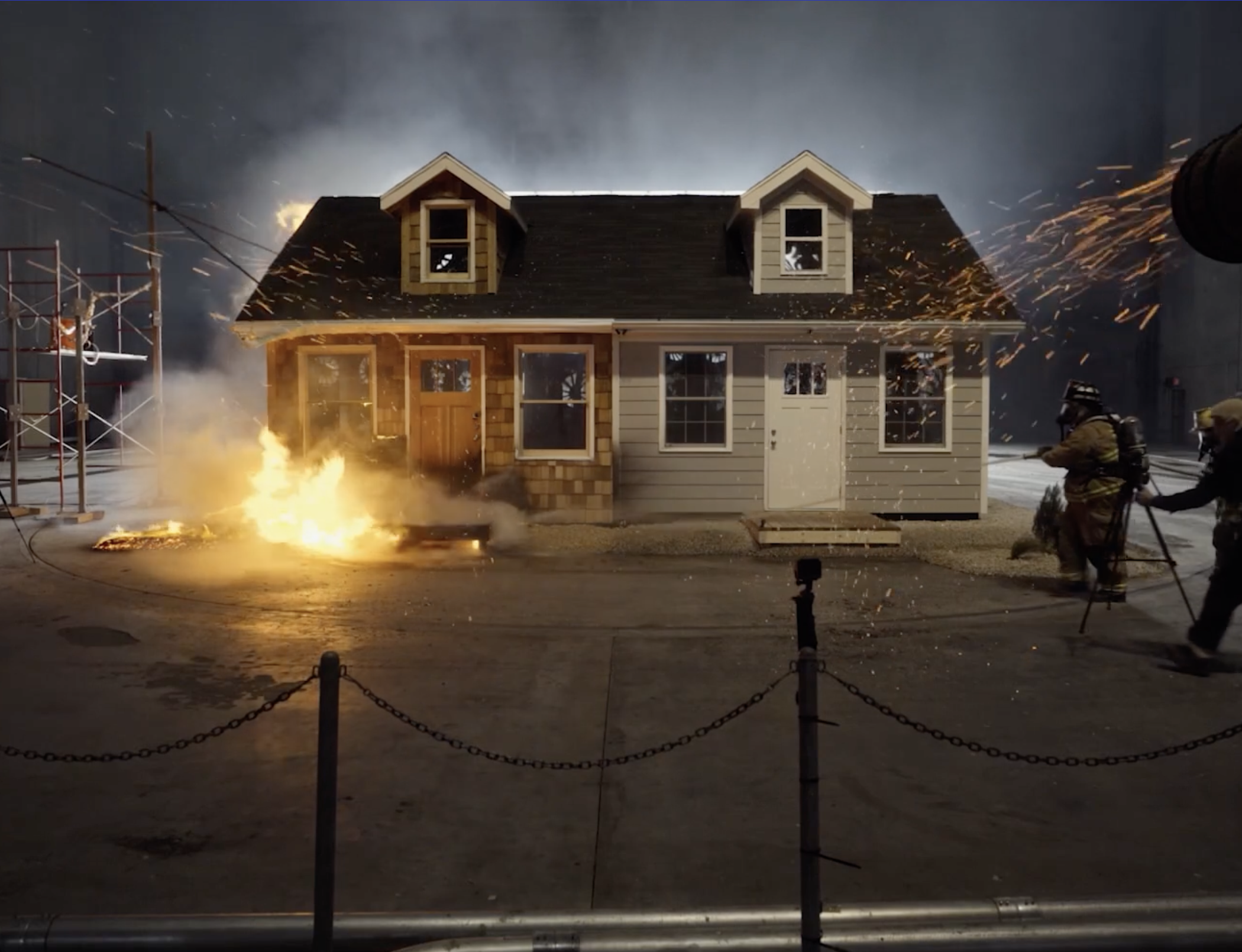
In the documentary Weathered, scientists tested this home for the protective effects of fire-resistant construction. When being bombarded with embers, the left side, which employed standard construction, ignited, while the right side, which used fire-resistant techniques, didn’t.
